

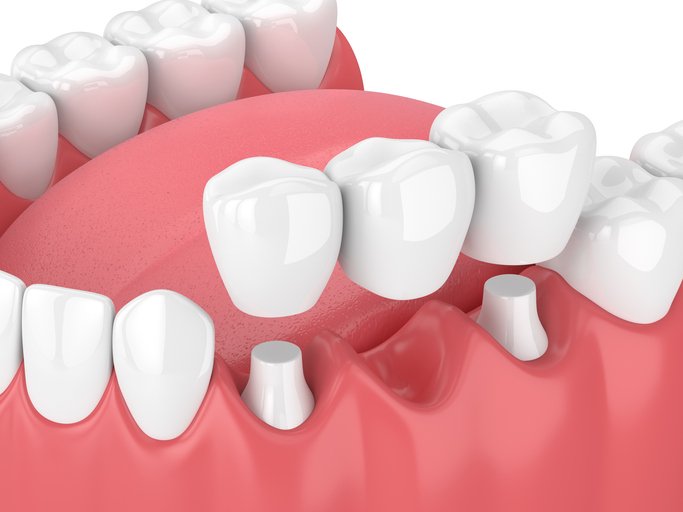
Zirconia has revolutionised restorative dentistry and is often referred to as “ceramic steel” due to its exceptional mechanical performance. It is a polycrystalline ceramic material typically stabilised with yttria (Y₂O₃), which provides the superior mechanical, aesthetic, and biological properties required for long-lasting dental restorations.
One of zirconia’s greatest advantages is its outstanding mechanical strength, which surpasses traditional dental ceramics and rivals certain metal alloys.
High flexural strength:
Depending on the formulation (e.g., 3%, 4%, or 5% yttria-stabilised zirconia), flexural strength ranges from approximately 590 MPa to 1,200 MPa. This makes zirconia particularly suitable for posterior restorations and long-span bridges exposed to high masticatory forces.
Fracture toughness (transformation toughening):
Zirconia demonstrates a unique stress-induced phase transformation from the tetragonal phase to the monoclinic phase. This transformation produces an approximate 4% volume expansion, which compresses developing microcracks and inhibits crack propagation. This mechanism is known as transformation toughening.
Resistance to wear:
Monolithic zirconia restorations, manufactured from a single solid block, show excellent resistance to chipping, fracture, and surface wear, contributing to long clinical longevity.
Modern zirconia materials provide improved aesthetics compared with traditional restorative materials.
Natural appearance:
Unlike porcelain-fused-to-metal (PFM) restorations, which require an opaque layer to mask the underlying metal substructure, zirconia is intrinsically white. Contemporary high-translucency and multilayer zirconia systems closely replicate the optical properties of natural enamel and dentine.
Elimination of dark margins:
As a metal-free material, zirconia eliminates the risk of grey marginal discolouration at the gingival margin following gingival recession, maintaining long-term aesthetic outcomes.
Zirconia is a bioinert oxide ceramic with excellent tissue compatibility.
Hypoallergenic properties:
Zirconia is non-toxic and hypoallergenic, making it suitable for patients with sensitivities to metal alloys commonly used in PFM restorations, such as nickel.
Favourable periodontal response:
Its smooth, non-porous surface reduces bacterial and plaque accumulation, supporting improved gingival health around restorations.
Due to its high strength, zirconia restorations can often be fabricated with reduced material thickness.
Minimal tooth reduction:
Compared with PFM restorations and some glass ceramics, less tooth structure may need to be removed during preparation, allowing greater preservation of healthy dental tissue.
Zirconia restorations are commonly produced using CAD/CAM (Computer-Aided Design and Computer-Aided Manufacturing) technology.
Accurate marginal fit:
Milling restorations from prefabricated zirconia blocks enables highly precise adaptation, reducing marginal discrepancies and the risk of secondary caries.
Single-visit dentistry:
Chairside CAD/CAM systems, such as CEREC, allow the design, fabrication, and placement of zirconia restorations within a single clinical appointment.
To summarise, Zirconia combines exceptional mechanical strength with favourable aesthetics and biocompatibility. These properties make it a highly reliable material for both anterior and posterior restorations and a preferred choice for many contemporary restorative dental applications.